
What Causes a Hernia? Common Hernia Causes and Risk Factors for Idaho Falls Adults
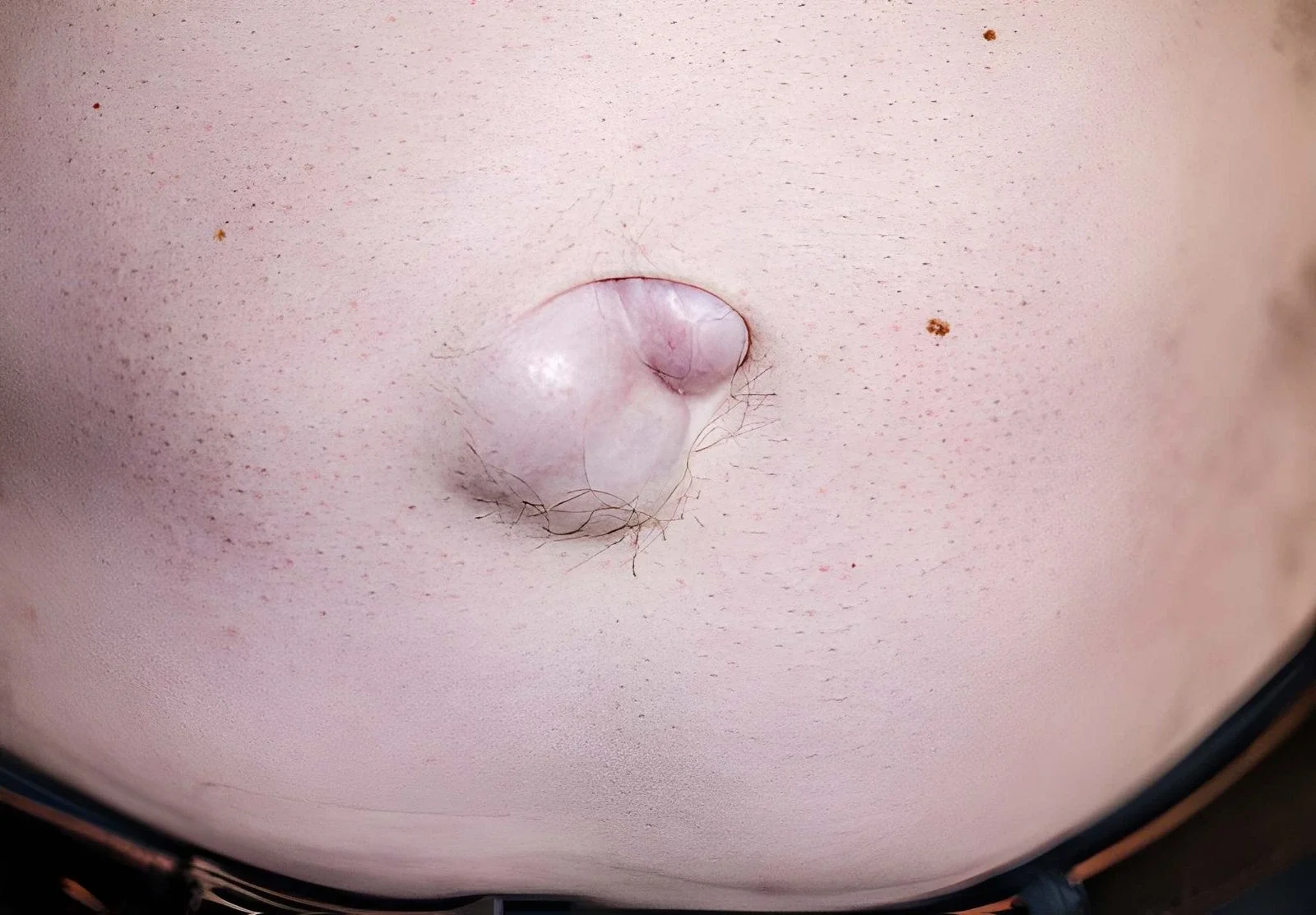
A hernia develops when tissue, such as fat or part of the intestine, pushes through a weak area or opening in the muscle or connective tissue that normally contains it. Many abdominal and groin hernias involve both an underlying weakness and pressure against that area.
You might notice a bulge after moving equipment, exercising, or coughing. That timing does not necessarily mean one activity created the problem. Understanding hernia causes can help Idaho Falls adults recognize risk factors without assuming they did something wrong.
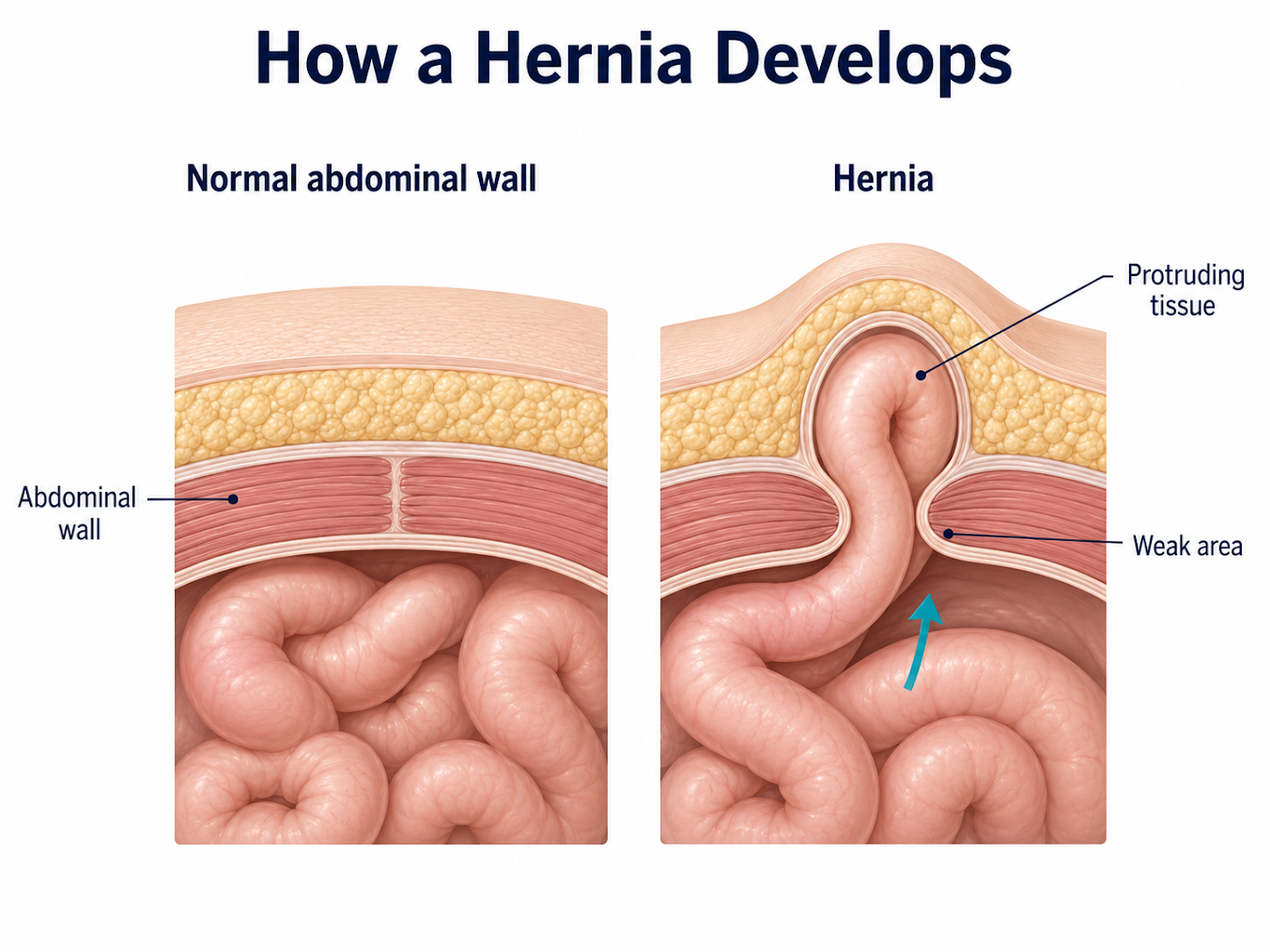
Your abdominal wall includes muscles and supporting connective tissue. A weak spot can exist from birth or develop later. Pressure inside the abdomen can allow tissue to protrude through that opening.
For example, some inguinal hernias involve an opening that did not close before birth but only becomes noticeable in adulthood. Others develop as the groin wall weakens over time. These different causes of inguinal hernia explain why there is not always a single identifiable trigger.
Common locations include the groin, belly button, and a previous surgical incision. For more detail about types, symptoms, diagnosis, and treatment, read our guide to the warning signs of a hernia.
According to the NIDDK, inguinal hernia causes and risk factors include abdominal wall weakness, inherited susceptibility, and conditions or activities that increase abdominal pressure.
Common Hernia Causes and Risk Factors
Natural Weakness, Age, and Family History
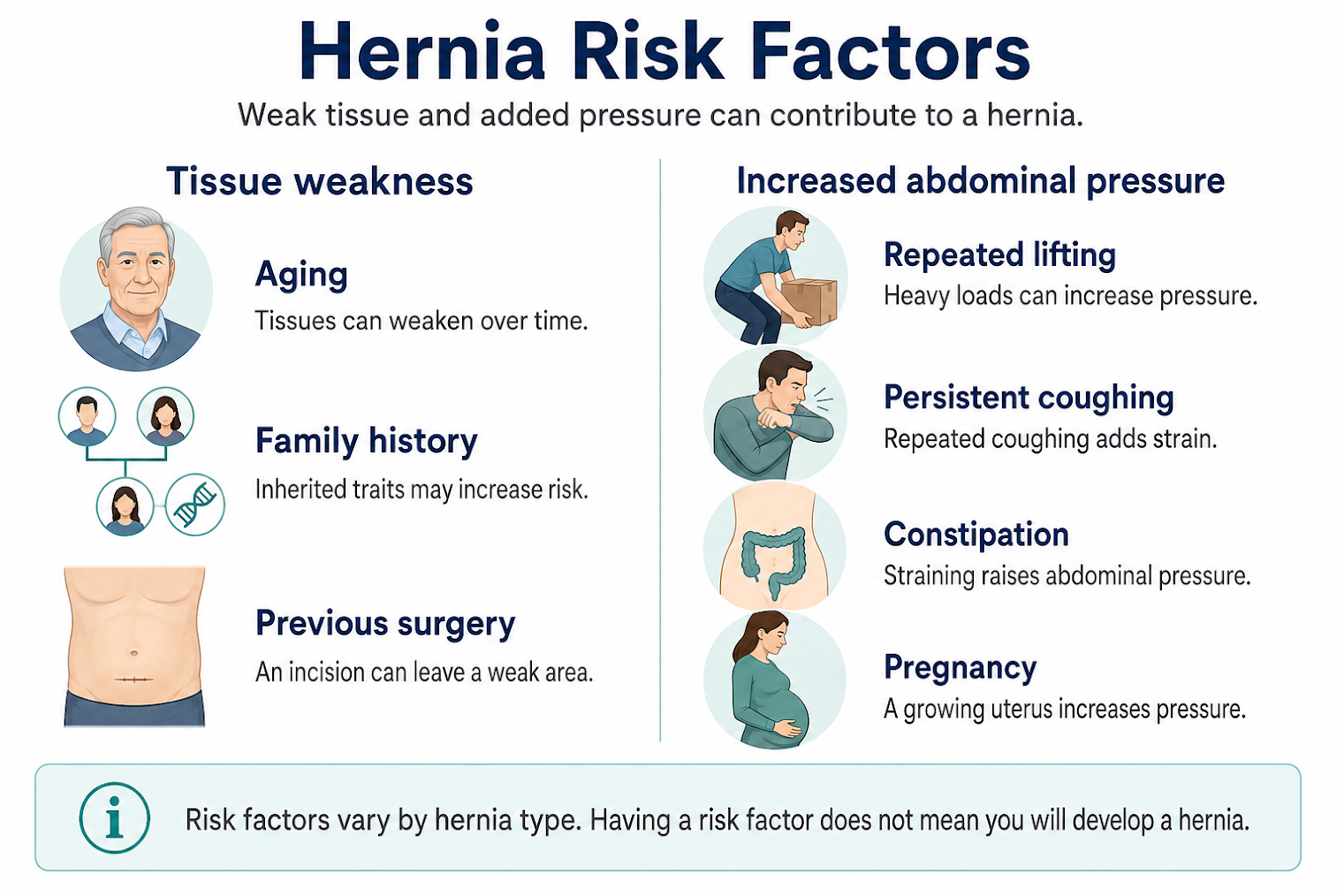
Some hernia risk factors cannot be changed. Aging, family history, and connective tissue conditions such as Ehlers-Danlos syndrome and Marfan syndrome can increase susceptibility. A close relative with an inguinal hernia raises your risk, but a hernia is not inevitable.
Heavy Lifting and Repeated Strain
Heavy lifting raises pressure inside the abdomen and may contribute to a hernia in a susceptible area. It can also make an existing hernia more noticeable.
For adults doing construction work, moving supplies, or lifting weights around Eastern Idaho, repeated strain deserves attention. Still, a hernia is not proof of poor lifting technique, and avoiding all exercise is not a reliable prevention strategy.
Strong abdominal muscles do not eliminate hernia risk. Active, physically fit people can still have an underlying tissue weakness. Cleveland Clinic recommends staying active while respecting your limits and stopping activities that cause significant pain.
Chronic Coughing, Sneezing, and Constipation
Coughing, sneezing frequently, and straining during bowel movements repeatedly increase abdominal pressure. These forces can contribute to hernia development when a weak area is present.
A hernia from constipation usually involves repeated straining, rather than one difficult bowel movement being the sole explanation. Likewise, an occasional cough does not mean you will develop a hernia. Persistent coughing and constipation are recognized risk factors worth discussing with your healthcare provider.
Pregnancy and Body Weight
Pregnancy increases abdominal pressure as the uterus grows. Multiple pregnancies and excess body weight are associated with adult umbilical hernias, which occur near the belly button.
However, weight does not affect every hernia type in the same way. NIDDK identifies lower body mass index among factors associated with inguinal hernias. Obesity should not be described as a universal explanation for all hernias. Individual risk depends on anatomy, hernia type, and medical history.
Previous Abdominal Surgery or Injury
An incisional hernia develops through a weakness at or near a previous surgical incision. It may become apparent during recovery or much later.
Incisional hernia causes involve the surgical opening and how the deeper abdominal wall heals. Excessive strain before healing is complete can contribute, but a hernia does not automatically mean you ignored recovery instructions. Follow your surgeon’s individual guidance about returning to work and lifting.
An abdominal injury can also create a weak area. Tell your clinician about previous trauma, even if it happened before you noticed symptoms.
Smoking and Problems With Healing
Smoking can complicate healing and increase wound infection risk. Diabetes and postoperative infection also matter when assessing ventral or incisional hernia risk. These factors help explain why abdominal hernia causes can involve tissue quality and healing, not simply physical effort.
How Risk Factors Differ by Hernia Type
Hernia type
Inguinal
Umbilical
Incisional
Typical location
Groin
Near the belly button
At or near a surgical scar
Relevant risk factors
Natural openings, aging, family history, and repeated abdominal pressure
Increased abdominal pressure, multiple pregnancies, and excess body weight
Previous surgery, wound infection, and factors affecting healing
These patterns summarize the medical sources above. A risk factor suggests greater susceptibility; it does not establish a diagnosis or prove why a particular person’s hernia developed.
Can You Lower Your Risk of a Hernia?
Hernia prevention focuses on reducing avoidable strain and supporting overall health. You cannot change your age, family history, or every natural weakness, and no routine guarantees prevention.
Practical steps include:
Address persistent coughing. Ask a clinician about a cough that does not improve or keeps returning.
Reduce constipation and straining. Include fiber in your diet and seek advice for ongoing bowel difficulties.
Lift within your abilities. Use assistance for awkward loads and avoid pushing through pain.
Stop smoking. Ask about support that fits your needs.
Discuss weight and activity goals. Choose an approach suited to your health rather than assuming weight loss prevents every hernia.
Follow postoperative instructions. Your operation and recovery determine when heavier activity is appropriate.
These measures may reduce some risks, but they do not close an existing hernia opening.
When Should You Seek an Evaluation?
Arrange an examination for a new bulge, persistent groin or abdominal discomfort, or changes near an old surgical scar. Symptoms alone cannot confirm a hernia. An examination, and sometimes imaging, helps identify the cause.
Seek emergency care for sudden severe pain, vomiting, a tender or discolored bulge, or inability to pass stool or gas. A newly trapped bulge that no longer settles back also needs urgent assessment. These may indicate bowel blockage or loss of blood supply. Do not wait for a routine appointment or force a painful bulge inward.
Not every hernia requires immediate surgery. Selected hernias can be monitored under medical supervision; others need repair based on symptoms and complication risk.
Get Answers From a General Surgeon in Idaho Falls
Understanding hernia causes is a starting point. An evaluation can clarify whether your symptoms reflect a hernia and what to do next.
Steele Lake Specialty is a multispecialty surgical practice at 3200 Channing Way, Suite 206A, Idaho Falls. Its services include hernia repair. A general surgeon in Idaho Falls can review your history, examine the area, and discuss appropriate care.
The team’s hernia care includes traditional, minimally invasive, and robotic techniques when appropriate. The recommended approach depends on your specific condition and health history.
Call (208) 529-2230 or request an evaluation with Steele Lake Specialty.
Frequently Asked Questions About Hernia Causes
What is the main cause of a hernia?
A hernia forms when tissue pushes through a weakness or opening in the surrounding muscle or connective tissue. Abdominal pressure can contribute, but there may be no single identifiable cause.
Can heavy lifting cause a hernia?
Yes, lifting may contribute by increasing abdominal pressure, particularly where a weakness already exists. It can also reveal an existing hernia. A single lift is not always the sole cause.
Can coughing or constipation cause a hernia?
Persistent coughing and repeated straining from constipation can contribute to hernia development by increasing abdominal pressure. Neither means you will definitely develop one.
Are hernias hereditary?
Yes, hernias can run in families, particularly inguinal hernias. A parent or sibling with a hernia can increase your risk, although you may never develop one yourself.
Can you get a hernia after abdominal surgery?
Yes. An incisional hernia can develop at or near a previous surgical incision, including after the initial recovery period. A new bulge near a scar should be evaluated.
This article provides general information and is not a substitute for diagnosis or individualized medical advice.